Welcome to Winchester City Fairtrade Network!
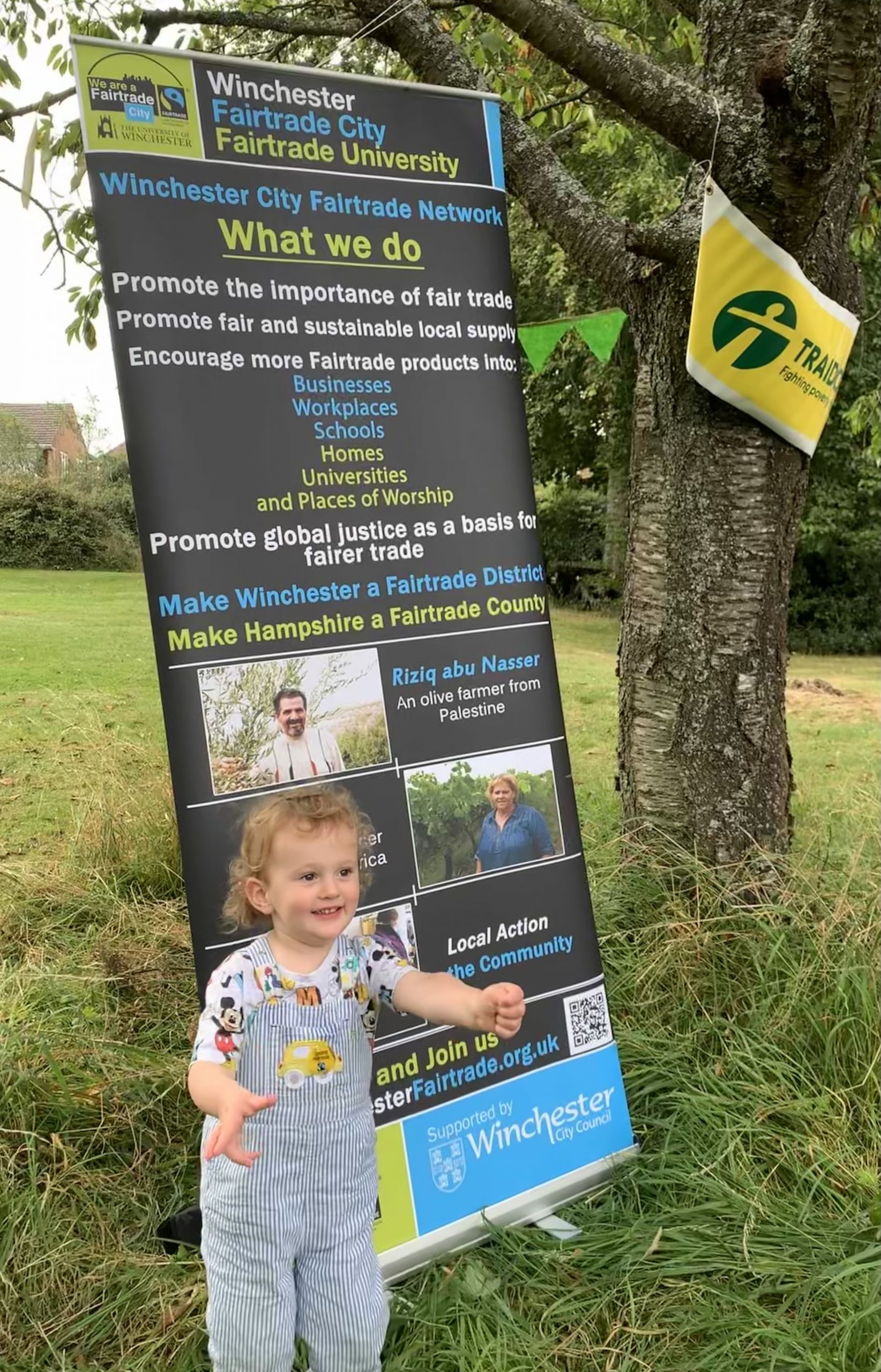 The Network was formed in October 2007 to build on work by an earlier Fairtrade Group over many years. Its initial primary aim was for Winchester to achieve Fairtrade City status. This was achieved on 14 March 2008. Now the Network aims to:
- Promote the importance of fair trade and increase the availability of Fairtrade products
- Raise awareness of the Fairtrade Mark
- Encourage workplaces, schools, universities, places of worship etc to use Fairtrade products
- Relate the principles of fair trade to local supply and sustainability
Why Fairtrade is important
It is neither fair nor necessary that so many people throughout the world must live in poverty, or work in unacceptable conditions. The rules of international trade favour the commercial interests of the most powerful trading nations and the largest corporations at the expense of the wider public interest and smaller economic enterprises. The worldwide Fairtrade movement has developed to promote greater trade justice. It brings the interests of consumers together with those of small-scale producers in the developing world by:
- Working in partnership and committing to long-term relationships
- Setting prices that always cover the cost of production no matter how low the world price goes for particular crops
- Investing in the development of producers to help build sustainable businesses and the communities where they live
- Demonstrating ethical business practices and challenging others to do the same
Latest News
- Fairtrade Fortnight 2021
Winchester Food Partnership
Creating a healthy and sustainable food culture for people living and working in the Winchester District.
Fairtrade Fortnight – 22 Feb- 7 Mar 2021
Not everything we eat can be grown locally, and Fairtrade works to raise the voices of farmers and workers and prioritise what they need to respond to the environmental crises unfolding in already vulnerable communities. Fairtrade fortnight is 22 Feb-7 Mar and is asking you to ‘Choose the World You Want’ and use your voice to tell others about the challenges that farmers face from climate change.
The University of Winchester has teamed up with Eastleigh College for some family events and school activities (home-schooling included) – https://sites.google.com/view/eastleighfairtrade/ and there are other local groups Fairtrade South East Hampshire and http://www.winchesterfairtrade.org.uk/ that you can get involved with and help share the #fairtrade message.Continue reading →Key upcoming dates:
22 Feb – 7 Mar – Fairtrade Fortnight
23 Feb – WinACC Climate Crisis workshop1-
7 Mar – WRAP Wood Waste week.
5 Mar – Sustainable Business Network “Reducing Food Waste” HERE
11 Mar – Sustainable Diet talk
18 Mar – WFP Steering Group meeting23-
26 Apr – Good to Grow Weekend – more info HERE - Fairtrade Fortnight 2019
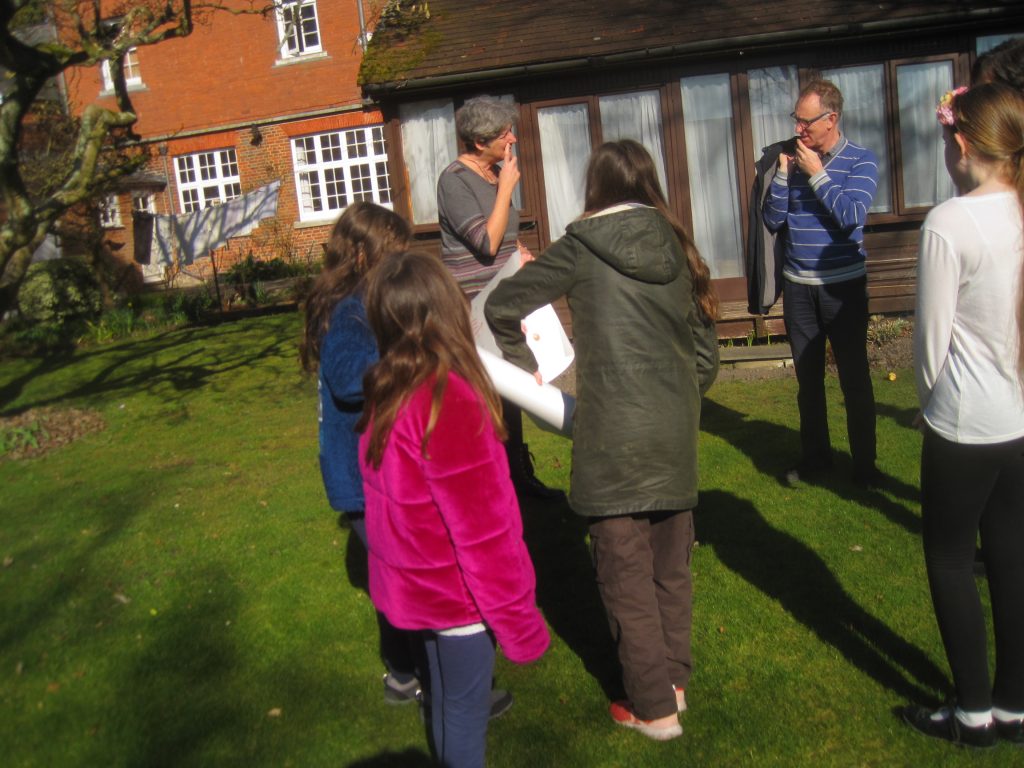
Sunday 24 February. Society of Friends, Colebrook Street. Children’s meeting looking at Fairtrade chocolate issues and sharing ‘treats’ with adult Friends.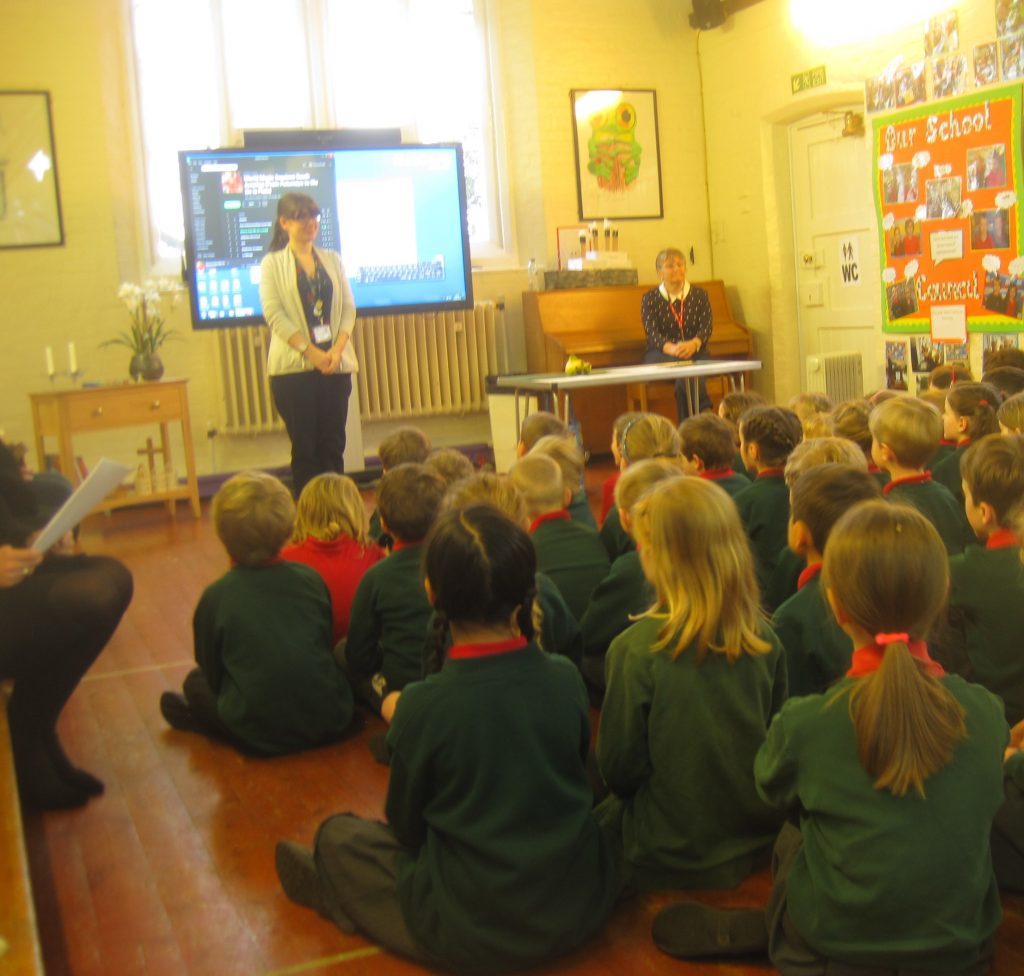
Thursday 28 February. Fairtrade Assembly at Twyford C of E School.
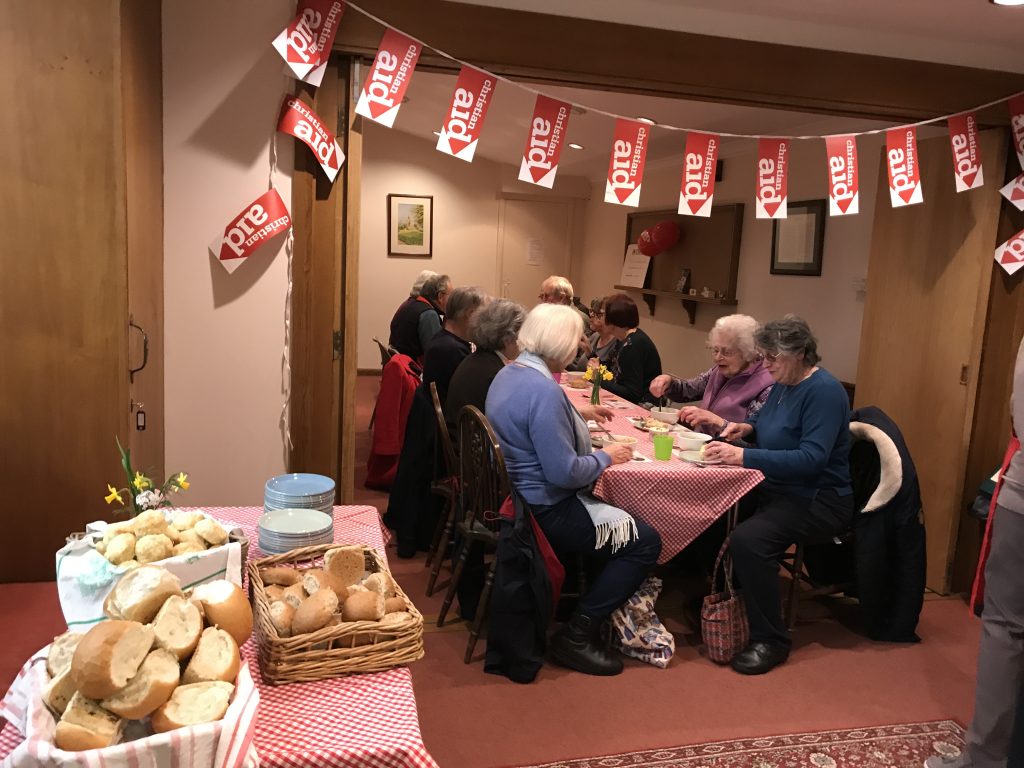
Saturday 2 March. Twyford Church. Snowdrop Saturday, with a Fairtrade theme. Planting snowdrops in the churchyard and having a cup of coffee and/or a soup lunch.
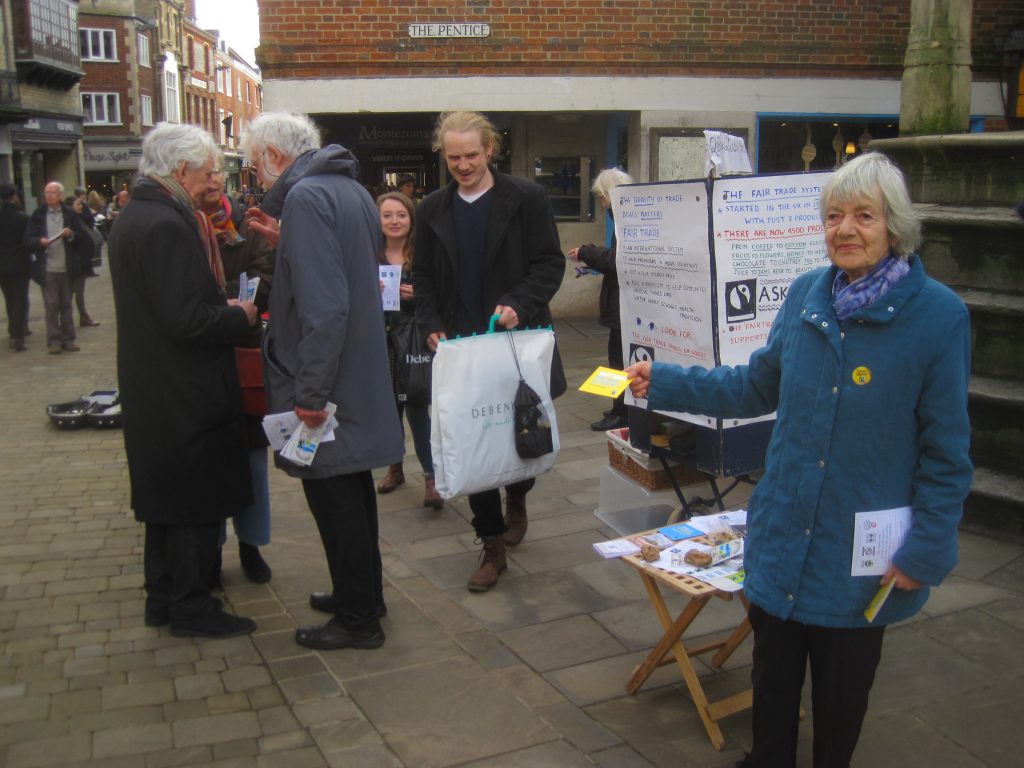
Saturday 2 March, Buttercross, Winchester. Winchester Quaker Peace and Justice Group distributing Fairtrade leaflets.
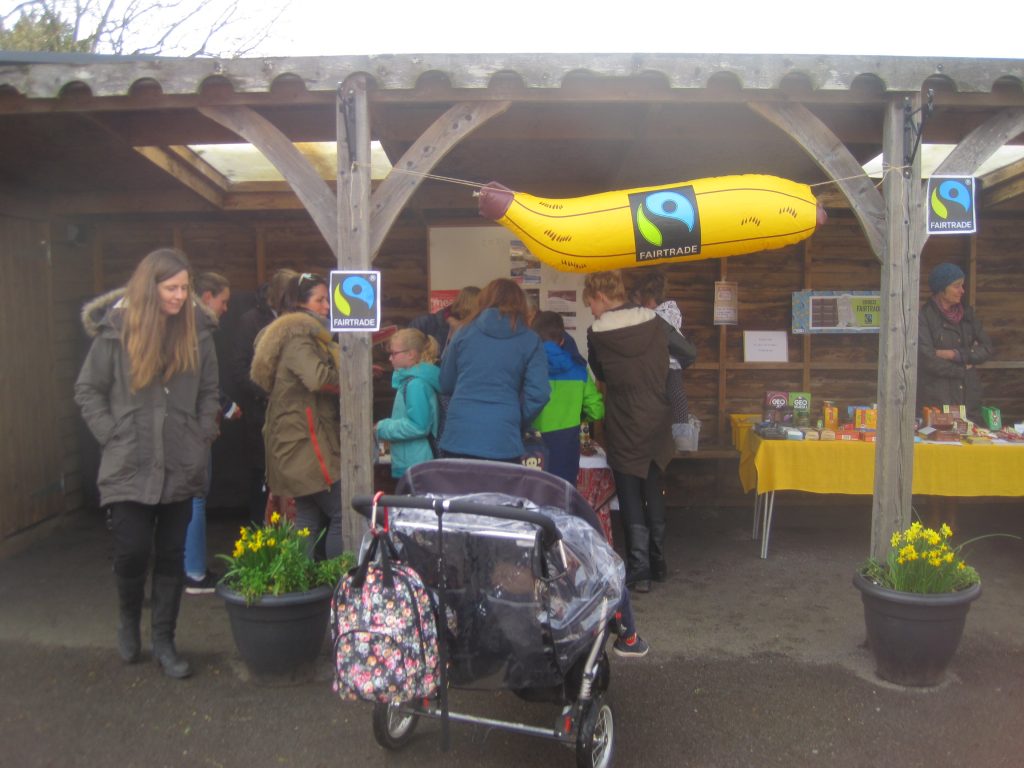
Monday 4 March, Twyford C of E School, after-school Fairtrade sale.
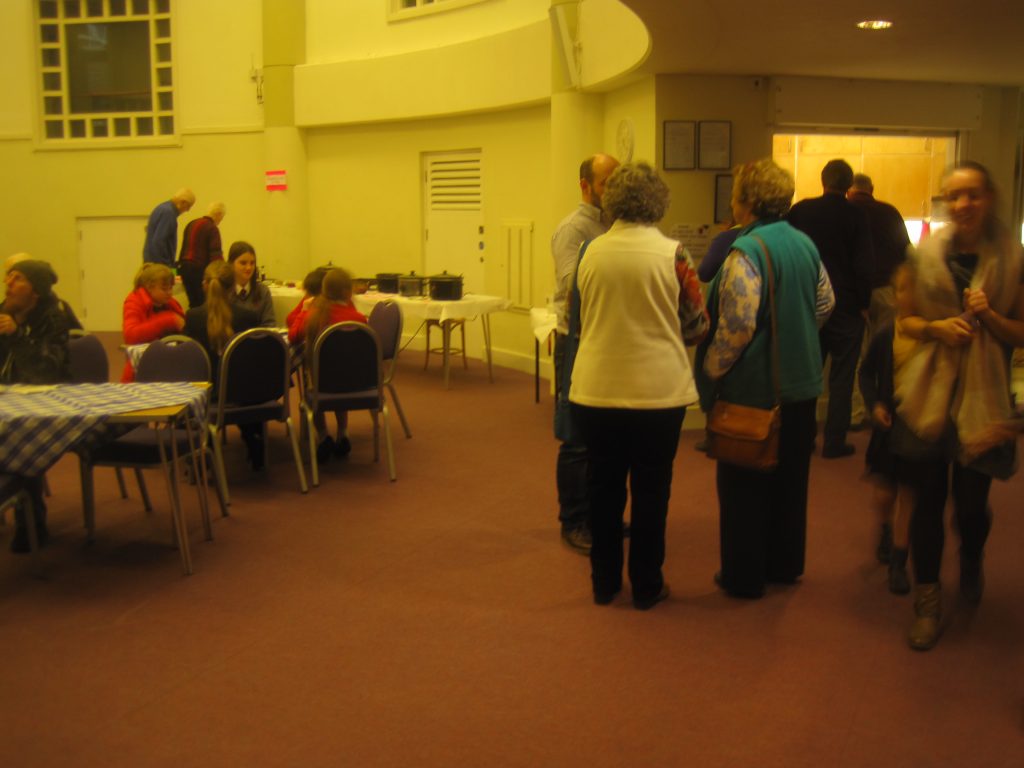
Tuesday 5 March, United Church, Jewry Street, Winchester, Pancake Event. Proceeds sent to Action for Child Trauma International (formerly Luna)
Wednesday 6 March, The United Church, Jewry Street. Fairtrade shop. Throughout the Fortnight the United Church coffee bar sold homemade chocolate cakes with Fairtrade ingredients with their regular Fairtrade drinks.
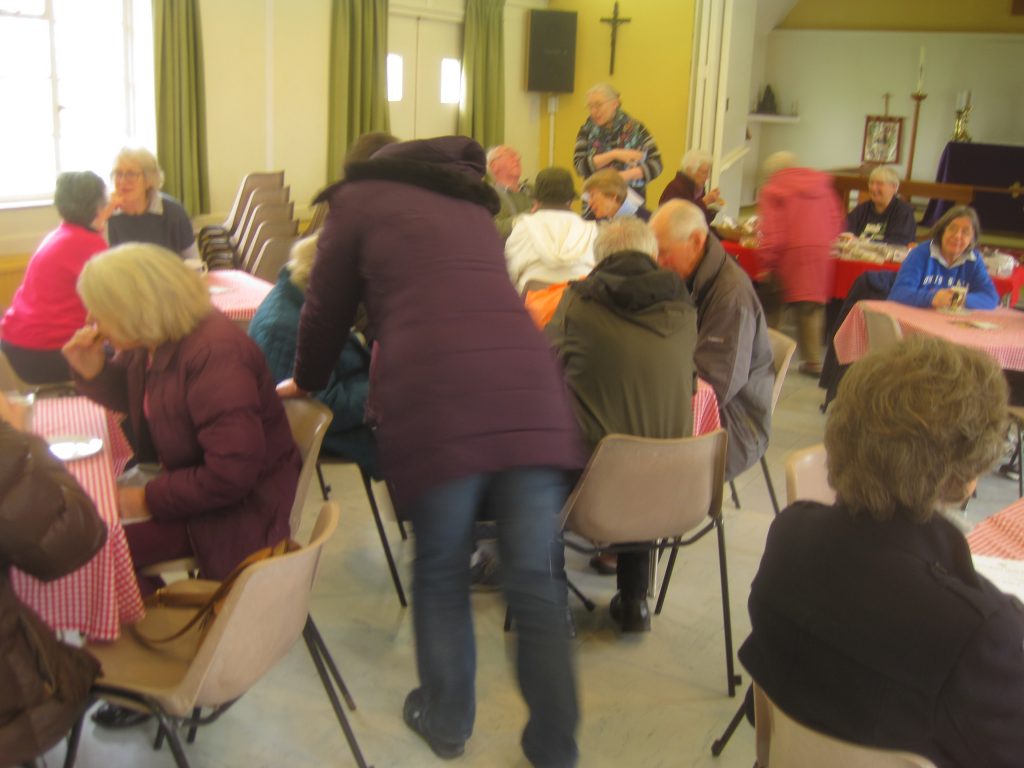
Saturday 16 March, St Mark’s Church, Oliver’s Battery. Big Brew
Winchester University offered Fairtrade dishes in the Food Hall all through the Fortnight, with a ‘Food on Campus Big Brew’ on Friday 8 March. They are. also ran a ‘Fairtrade Fortnight Quiz’ with a prize of a luxury hamper full of Fairtrade products.
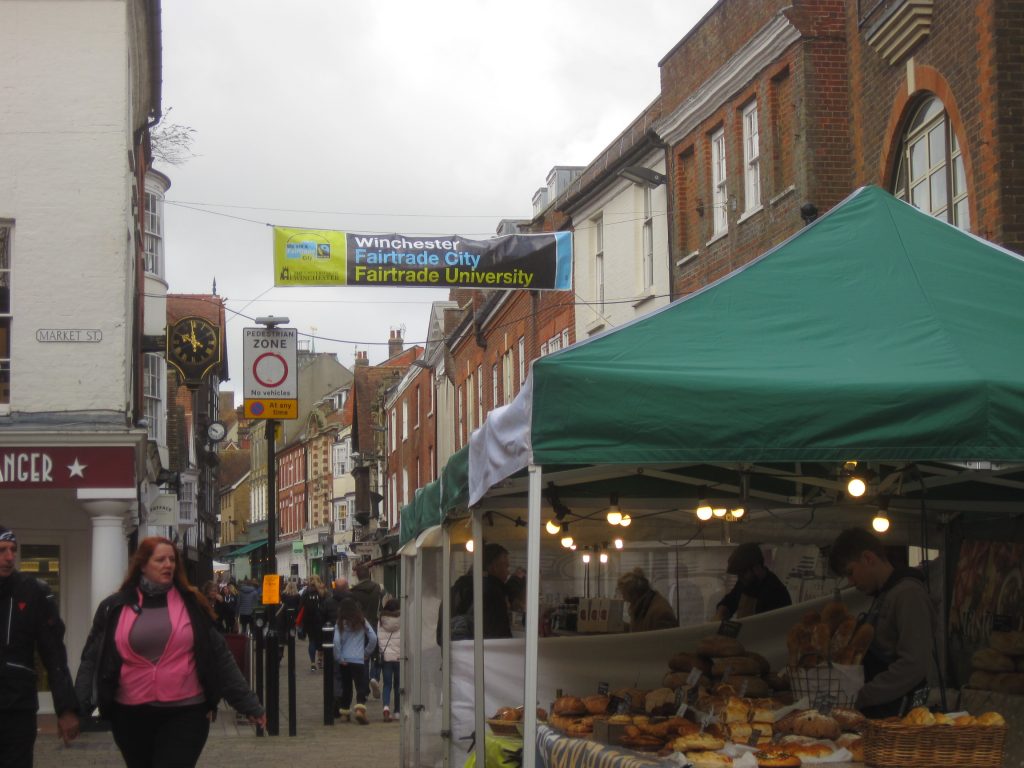
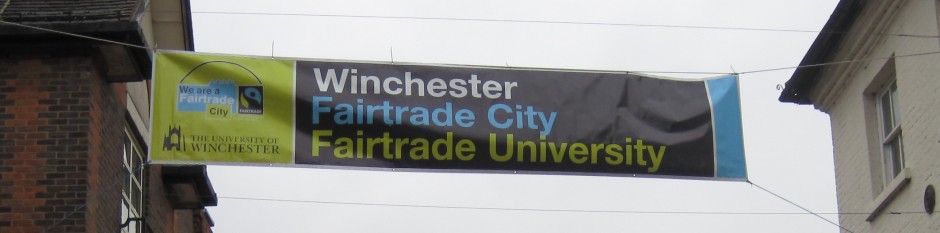
For the second week of the Fortnight the Fairtrade City / Fairtrade University banner was across the High Street
Continue reading → - 2018 Annual Report
The highlight of the year was the renewal of our Fairtrade City status by the Fairtrade Foundation. The Foundation praised the ‘clear exciting goals to take Fairtrade further’ set by the Network. The renewal was celebrated at an event hosted by the Mayor, Councillor Frank Pearson at Abbey House, when the certificate of renewal was presented to the Mayor for display at Abbey House. We were particularly pleased that City Councillors attended together with representatives from churches, community groups, the cathedral, businesses, the university and other supporters.
Steps continue to strengthen the Network’s links to the City Council, including the link to sustainable businesses. It is hoped that this will help further the Network’s long-term aim to extend the Fairtrade City status from the historic city to the whole City Council area by encouraging the principal towns to work towards Fairtrade Town status.
An Action Plan was in preparation to cover the two year period before the next status renewal with plans for the renewal of the Fairtrade Directory on our website, as the previous one is now out of date.
Fairtrade Fortnight was particularly successful, the highpoint being an evening at the United Church with Bassema Barahmeh and Taysir Arbasi of Zaytoun, the pioneering Fairtrade initiative selling Palestinian products in the UK and Ireland. This was very warmly supported. There was another tea at Abbey House and a Big Brew at St Mark’s which had to be postponed for three weeks because of heavy snow! The new Fairtrade leaflet, paid for from the fundraising of Compton All Saints C of E School last year, was available in time for the Fortnight.
The Network was invited to run a Fairtrade stall at the annual Ukulele Festival which met in Winchester this year, and in addition to the money raised from sales we received a donation of £200 from the organisers. We are also an active partner in the Winchester Food Partnership which is working towards a healthy and sustainable food culture.
I would particularly like to thank our small team of committed people who have made all this possible. We always welcome anyone who wishes to spread the word about the benefits of Fairtrade so do contact us if you wish to join us.
Charlotte Bailey
Chair
Continue reading →